Otaki Today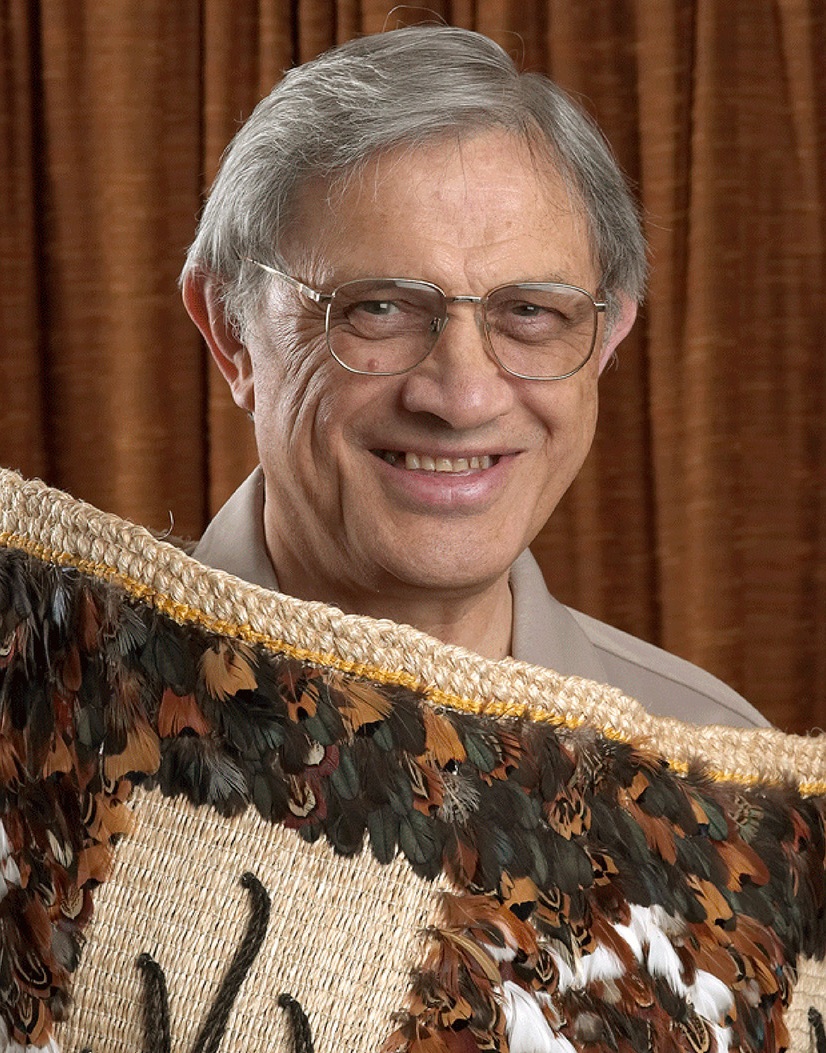
Dr Whatarangi Winiata Photo courtesy of Norm Heke Photography
Aotearoa lost one of its great rangatira when Matua Whatarangi Winiata (Ngāti Raukawa) died peacefully at his Te Manuao Road home in Ōtaki on June 3 aged 92.
Known simply as Whata to many in Ōtaki, he was a man whose influence reached across generations, institutions and communities, but whose greatest legacy will be found in the people he inspired.
In this small town, Dr Winiata’s name is inseparable from the kaupapa that transformed the future for its Māori people – Whakatupuranga Rua Mano: Generation 2000. Born from the aspirations of Ngāti Raukawa ki te Tonga, Te Āti Awa ki Whakarongotai and Ngāti Toa Rangatira, Whakatupuranga Rua Mano was a long-term development strategy specially designed to develop their people, restore their language and marae, and to express their self-determination.
It became the foundation for Te Wānanga o Raukawa, Aotearoa’s first Māori centre for higher learning, delivering university level qualifications. Dr Winiata was central to imagining and driving that vision. The Wānanga has provided education rooted in kaupapa Māori, te reo Māori and iwi knowledge, creating opportunities for generations of learners.
He was also one of eight Māori negotiators involved in the Treaty of Waitangi Fisheries Settlement, a landmark process that reshaped Māori economic development.
Dr Winiata’s life was one of extraordinary achievement. He was an accountant, academic, professor, rugby player, treaty negotiator, church leader, political figure and Wānanga founder. Yet those who knew him well say his titles were never what defined him.
As Daphne Luke, co-author of his book, The Survival of Māori as a People, reflected after his death, his measure was not in the scale of his achievements, but in “the work, and the people the work was for”.
Raised from Ngātokowaru Marae at Hokio Beach, Dr Winiata devoted his life to Māori advancement and the survival of Māori as a people. His leadership was grounded in service, humility and a deep commitment to kaupapa tuku iho – the responsibility of carrying forward what previous generations had built.
Those who worked alongside him remember not only the major achievements, but the way he carried himself. Daphne described him as embodying manaakitanga, kotahitanga and wairuatanga – not as ideas to be spoken about, but as values he lived every day.
“He never made you feel small in order to make himself large,” she said. “He made you feel capable, and then quietly expected you to be.”
That approach reflected his belief that leadership was not about creating followers, but about building people.
Dr Winiata’s influence extended well beyond Ōtaki. He was involved in education initiatives including Te Aute and Hukarere Colleges, Te Whare Wānanga o Te Pihopatanga o Aotearoa, Te Rūnanga o Raukawa and Raukawa Whānau Ora, Te Hono ki Raukawa and numerous iwi development projects.
He led Ngāti Raukawa ki te Tonga’s oral history report to the Waitangi Tribunal, ensuring hapū voices were recorded by hapū and in their own words.
He was also a canon for over 30 years and served as inaugural president of Te Pāti Māori, continuing his lifelong commitment to Māori representation and self-determination.
Yet despite his public standing, those close to him describe a man who remained deeply humble, with a dry humour and a genuine warmth for everyone he encountered.
He was known for giving the same attention and respect to all people, whether they were community members, workers, chief executives or politicians. A simple greeting was never rushed; every person was acknowledged.
That quiet humanity may be one of the strongest parts of his legacy.
In his later years, as his health declined, his mana remained undiminished. He was surrounded by whānau, including his lifelong partner Frances, and continued to be remembered for the generosity and wisdom he shared.
For Ōtaki, the passing of Whatarangi Winiata marks the end of an era. But the kaupapa he helped establish continues.
The akomanga (classrooms) of Te Wānanga o Raukawa, the graduates who carry knowledge forward, the whānau strengthened by education, and the generations who continue to build on Whakatupuranga Rua Mano all stand as living expressions of his vision.
Ultimately, his greatest achievement will be less about the institutions and kaupapa he helped create, and more about the people who now carry them forward.
OTHER STORIES
... loading ...