 Otaki Today
The roadworks that have frustrated Ōtaki locals over the past couple of years are the result of several big programmes happening at once – infrastructure upgrades, expressway revocation works and routine maintenance.
So what does Ōtaki get out of it, specifically the upgrades to infrastructure?
Future-proofing services for the community is a big part of it. A $50 million investment in the town’s infrastructure is aimed at supporting new housing and improving resilience as the Kāpiti Coast prepares for significant growth. Back in 2022, the district was forecast to grow by 32,000 people over the next 30 years.
Kāpiti Coast District Council’s Housing Strategy identified Ōtaki as one of the areas under the most pressure, with limited housing choice and affordability forcing some residents to leave the district to find suitable homes — often moving away from whānau and support networks.
In response, the council, Ngā Hapū o Ōtaki, landowners and developers successfully secured $29.3 million from the Government’s Infrastructure Acceleration Fund (IAF), spread over 10 years. The council is contributing a further $20.7 million.
That brings the total investment in Ōtaki to $50 million – and it’s all being spent in the town, nowhere else in the Kāpiti district.
Mayor Janet Holborow says it’s a major programme of work, particularly in three waters – drinking water, wastewater and stormwater – at a time when many communities throughout the country are struggling with ageing infrastructure.
“However, we acknowledge such a significant programme of work has been disruptive for the community and local businesses, and we truly appreciate people’s patience as we get this once-in-a-generation work done,” she says. “We’re confident the value of this investment will become increasingly clear, both now and into the future.”
The council says the funding has allowed critical upgrades to happen sooner than planned, supporting both current residents and future housing developments — with a strong focus on affordable housing and housing for Māori.
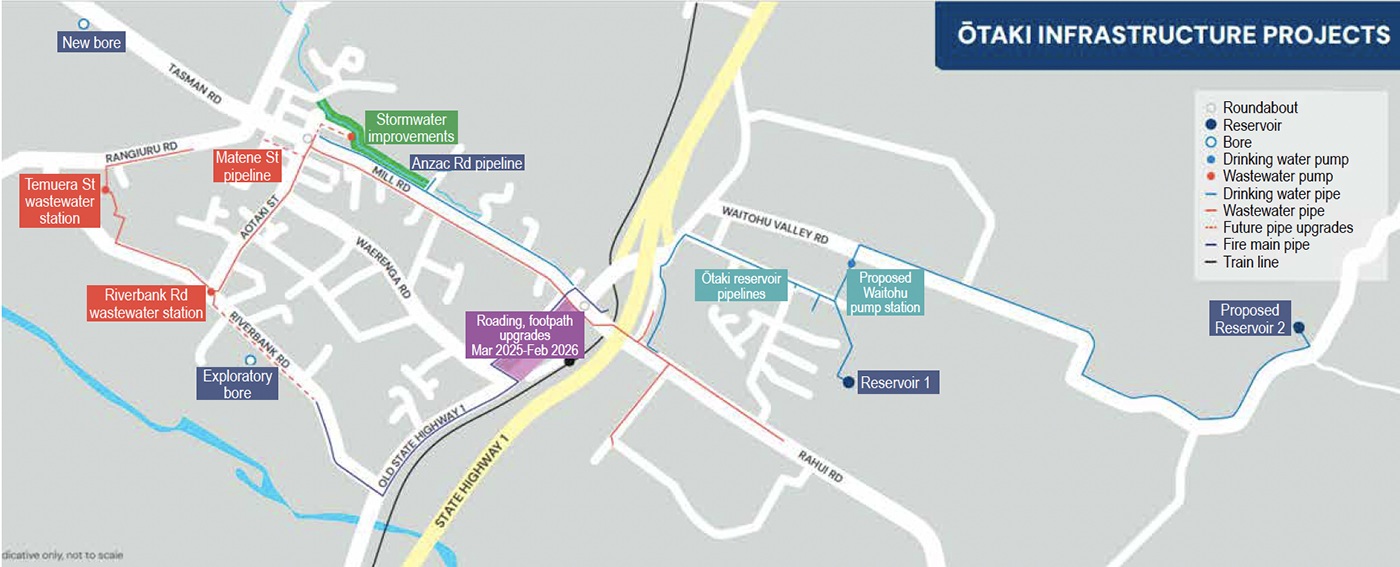
The work also ties in with Plan Change 2 to the Kāpiti Coast District Plan, adopted in 2023, which requires the district to make room for more homes, businesses and services.
Work began in the 2022/23 financial year and will roll out over the next decade.
One of the biggest priorities has been strengthening Ōtaki’s drinking water network.
Previously, much of the town relied directly on its treatment plants, leaving the system vulnerable if a bore failed, power was lost or backup generators stopped working. In a worst-case scenario, much of the town could have lost water supply almost immediately — and firefighting capacity was also limited.
As part of the upgrades, a new 5.5 million-litre reservoir at the top of Te Manuao Road was completed in June last year.
Another one million-litre reservoir is planned to support the existing Waitohu Reservoir, with construction expected to begin in the 2026/27 financial year.
Work is also under way to upgrade the supply line along Waitohu Valley Road, which is now about 50 percent complete.
Other completed work includes new fire main pipes along Riverbank Road, Old State Highway 1, Waerenga Road and Dunstan Street, finished in early 2025, and a new water main along Anzac Road.
The County Road pump station upgrade near Rāhui Road is also close to finished, sitting at about 90 percent complete.
A large chunk of the investment – $17.9 million – is going into wastewater improvements. Parts of Ōtaki’s network are nearing the end of their life and need upgrading to cope with future growth.
The first major stage, a 2.7-kilometre gravity main along Aotaki Street and Mill Road, has already been installed. Testing and final connections are expected to wrap up within the next two months.
More work is on the way.
New wastewater pipes will be installed along Rāhui Road, Te Roto Road and the new section of County Road from 2026/27. At the same time, the pump station near Riverbank Road and Aotaki Street will be upgraded, along with a larger gravity pipe along Riverbank Road.
In 2027/28, work is due to begin on a new gravity main along part of Rangiuru Road, along with further pump station upgrades and a new rising main connecting to the treatment plant.
Stormwater improvements are also part of the programme, but those projects are still being worked through.
The council is looking at options for the Mangapouri Stream catchment, including culvert upgrades and ecological improvements. Survey work is under way to help guide the design.
While the IAF-funded work is focused on key growth areas, the council says other parts of Ōtaki may need upgrades in future.
Its Infrastructure Strategy 2024–54 outlines long-term plans to maintain and expand services across the district, with priorities reviewed each year through annual and long-term planning processes.
The next Long-term Plan, covering 2027–37, is now being developed, with public consultation expected around March next year.
Residents will have a chance to say what projects they want included, as the council continues balancing the need to replace ageing infrastructure with supporting growth in places like Ōtaki.
Other improvement works (not part of the IAF programme)
• Old SH1 revocation work due for completion July 2026 (NZTA-led)
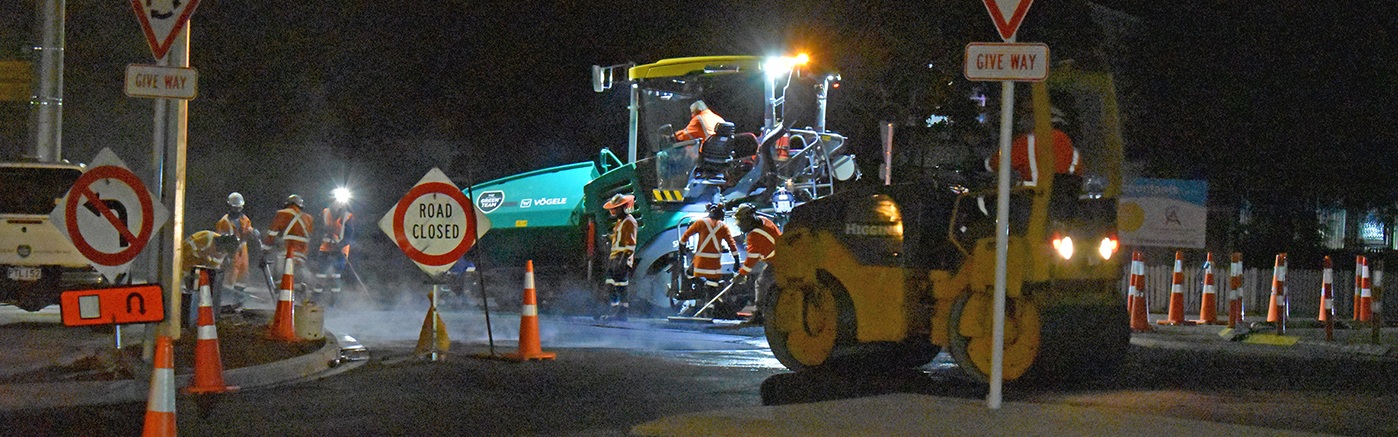
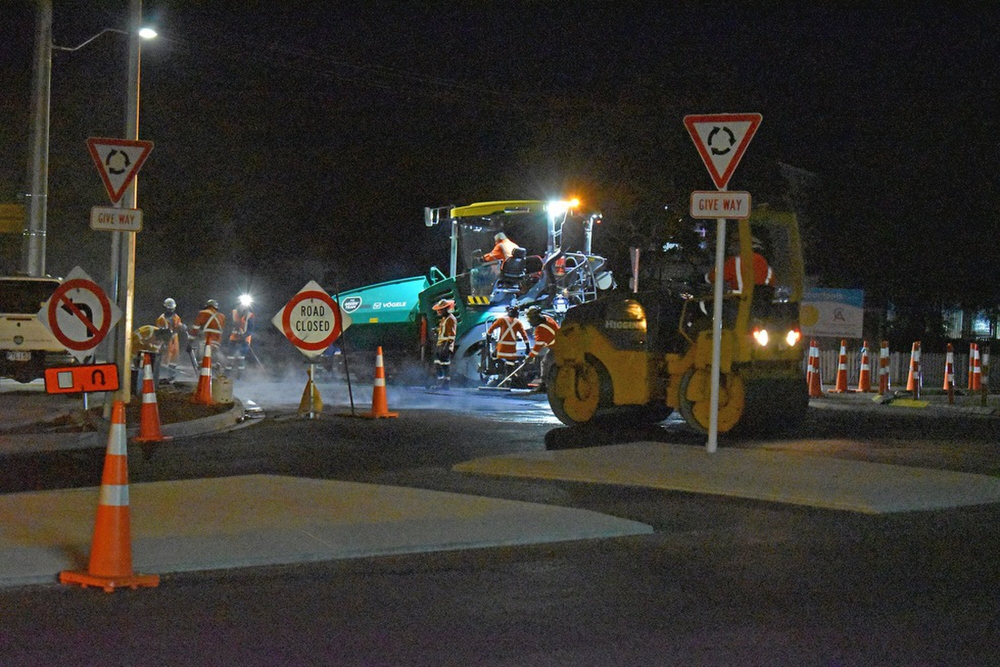
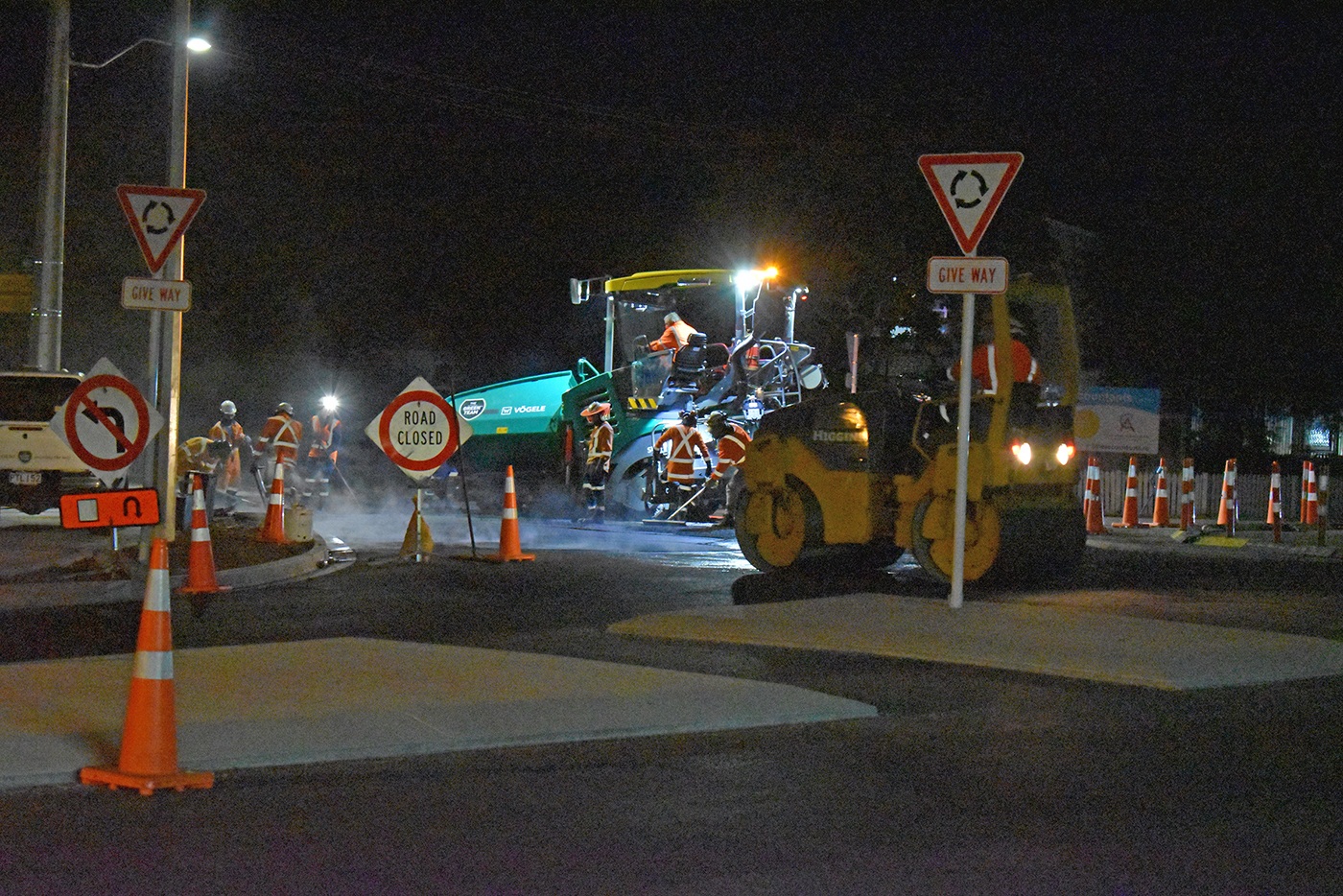
• Mill Road/Rāhui Road roundabout upgrade – minor finishing work to be completed week beginning April 20
• new drinking water supply bore in Tasman Road – tender process under way, work expected to begin in the next few months
• Civic Theatre seismic strengthening – almost completed.
OTHER STORIES
... loading ...