Otaki Today
When Colin Davies contacted me to say Sir Christopher Parkin was not Ōtaki’s first person to be knighted, I thought I’d been caught out.
In our January issue, we said Sir Christopher was believed to be the first person raised in Ōtaki to be a knight or dame. We still believe we’re right, but there’s a caveat.
Colin pointed out Sir Guy Powles was born in Ōtaki – or as the book Changing Faces of Te Horo (Ōtaki Heritage, 2009) notes more precisely, in Te Horo – on April 5, 1905. His parents, sawmiller Charles Guy Powles and wife Jessie Mary (nee Richardson), lived in Te Horo at the time.
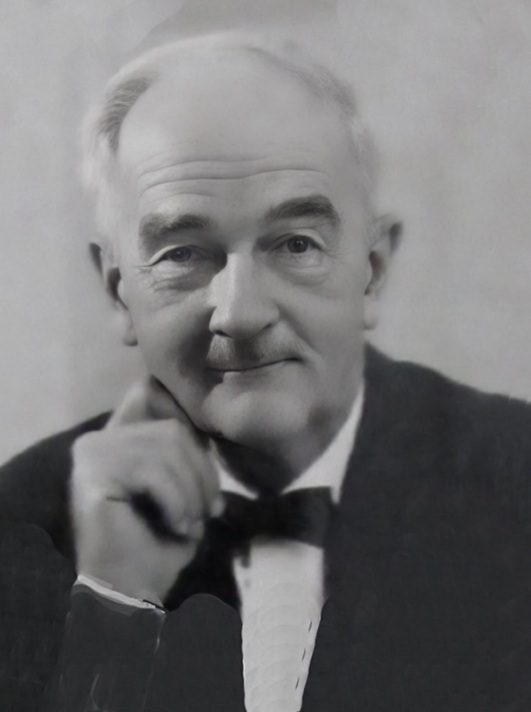
Sir Guy Powles
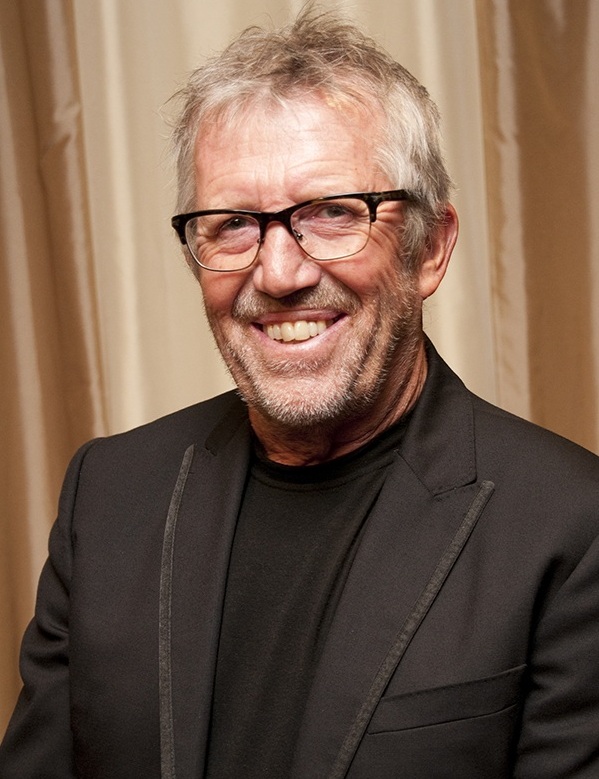
Sir Christopher Parkin
That would make him technically Ōtaki’s first knight because of his birthplace connection, but there is no evidence the young Guy attended school in the area. Biographies note he went to Island Bay School and Thorndon School before going on to Wellington College. So while upping Sir Christopher in the birthplace stakes – Sir Christopher was born in England – Sir Guy’s life was not shaped by an upbringing in Ōtaki. From the age of 4, Chris became part of the local community.
As Sir Christopher told Ōtaki Today’s Bruce Kohn: “It’s a long time since I’ve been a student, but the character you form in a small town stays with you and moulds the rest of your life.”
Sir Guy Powles was a man of his times, shaped by the era and a father who was a First World War veteran, serving with distinction in Palestine and France. Charles was appointed chief of staff of the New Zealand Army in 1923, the same year Sir Guy joined the Territorials.
After studying law at Victoria University, Sir Guy was admitted as a barrister and solicitor of the Supreme Court. After the Second World War began in 1939, he joined the New Zealand Artillery and was in 1943 posted to command the 144th Independent Battery of the 3rd New Zealand Division. He spent time in New Caledonia and Guadalcanal, and as a major, led an Allied assault on Nissan Island. He retired with the rank of colonel in 1946.
He later had various diplomatic roles, including as New Zealand’s first high commissioner to Samoa, which led to the establishment of Western Samoa in 1961. He was also high commissioner for Ceylon (Sri Lanka) and ambassador to Nepal.
Sir Guy will, however, be best remembered as New Zealand’s first ombudsman, a position (including as chief ombudsman) he held from 1962 to 1977.
As Colin Aikman wrote in the Dictionary of New Zealand Biography, the public service and politicians were initially suspicious of Sir Guy.
“However, the methods he evolved for handling complaints, which were investigative and consultative rather than adversarial, combined with his independence and concern for ‘fairness, reason and fair play, with not a little compassion’ – won acceptance for the office,” Aikman wrote.
Sir Guy was appointed a Knight Commander of the Order of the British Empire (KBE) in the 1961 New Year Honours for his services as high commissioner to Western Samoa.
He died in Wellington on October 24, 1994, six months short of his 90th birthday.
OTHER STORIES
... loading ...