Otaki Today
Despite experiencing childhood trauma, Donna (not her real name) carved out a nursing career, home, and family for herself. Then she hit a roadblock – a relationship breakdown followed by a mental health crisis. After three years of recovery her residential care facility was disestablished, and she had to make her own way. Having developed a long-term physical disability, the biggest hurdle for Donna was finding accessible housing. At one stage she was homeless. It could not have come at a worse time, right in the middle of Covid. Being on the MSD housing register got her into emergency motel housing, which was neither safe nor accessible, but no secure public housing was available. Eventually, through a community housing provider, Donna found “home” in a private Ōtaki rental which she can barely afford.
Imagine if every whānau in Kāpiti had a decent home, one that was warm, dry, accessible, affordable, and secure – a home that allowed people to stay healthy, keep children in school, contribute to their community, and plan for the future.
Decent homes are not a luxury or a market reward. They are essential infrastructure for care, connection, and contribution.
Donna’s housing experience motivated her to tell her story as part of the 2023 Kāpiti Hikoi for the Homeless, and Select Committee hearings. However, three years later the housing situation in Kāpiti is worse. Kāpiti is facing a severe and growing housing crisis, with Ōtaki experiencing the highest housing stress in the district.
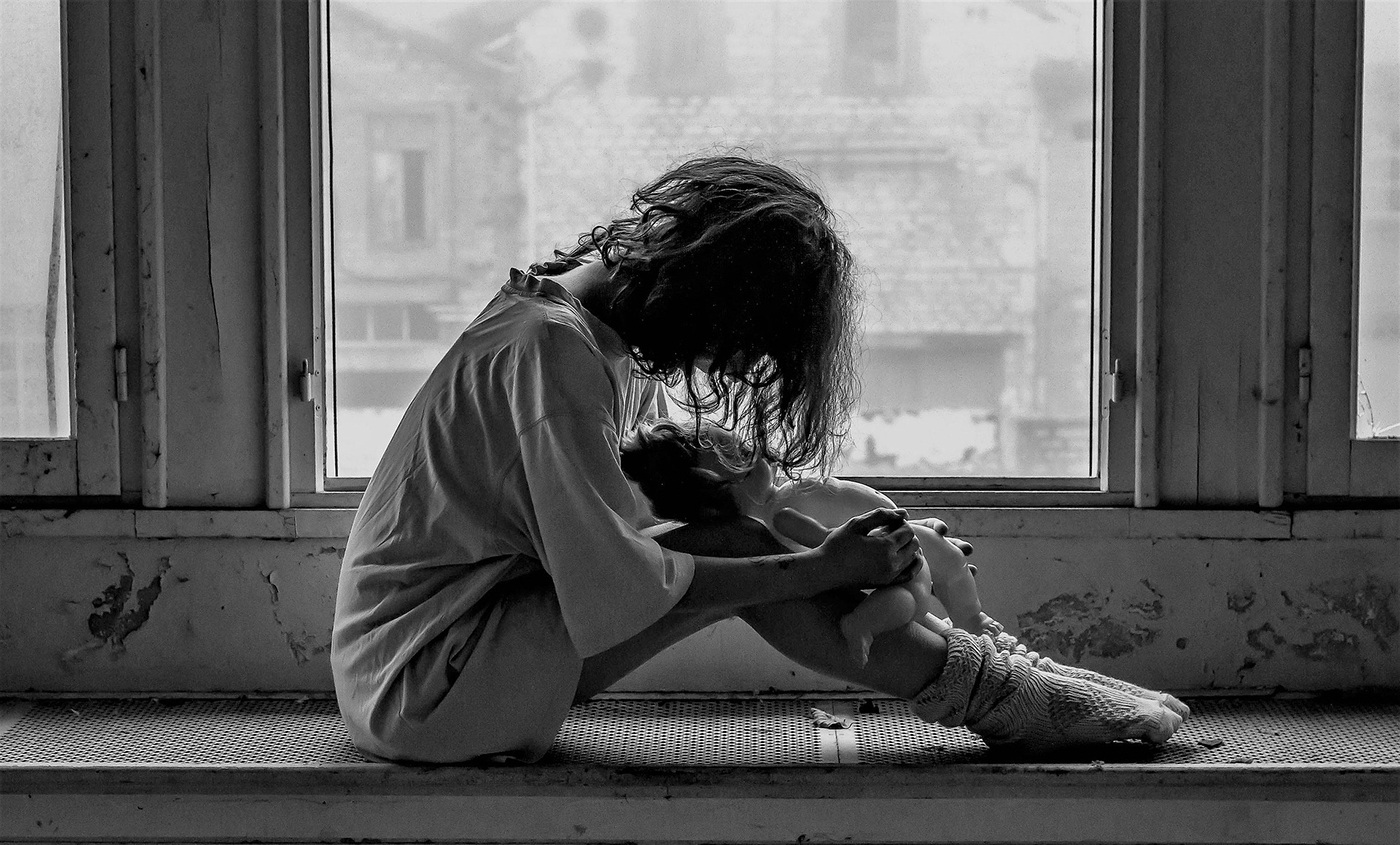
Private rentals are unaffordable and unavailable for many in our community. Only 20 percent of Ōtaki renter households are able to afford the median market rent1 and there are few houses available that are affordable. Public and community housing make up only a small percentage of our housing stock2. People experiencing homelessness are increasingly invisible, living in cars, garages, overcrowded homes, boarding houses, or temporary accommodation.
About 130 Kāpiti households are on the Ministry of Social Development housing register, but many more whānau are experiencing housing stress. A reduction in emergency housing numbers has not translated into permanent, secure homes. Instead we are seeing preventable harm from a lack of secure and genuinely affordable housing: poorer health, disrupted education, economic stress, and fractured communities.
Despite the housing crisis deepening in our community, the government has cancelled new Kāinga Ora homes in Ōtaki and continues to under-resource hapū, iwi and Māori-led housing solutions.
In light of this harsh reality for many whānau, it was striking to read in MP Tim Costley’s recent “Around the Electorate” column the case of a constituent who received urgent housing after the MP’s intervention. While this is presented as an example of effective representation, it raises more troubling questions about the fairness of the systems we rely on.
Are we comfortable with a system where outcomes can hinge on who knows to ask, who feels confident that they will be listened to, or whose case is deemed compelling or deserving enough? Why did this individual get help, and not Donna or the hundred plus others in the same position?
These are not neutral questions in a country where race, class, education, and confidence still shape how people are treated by institutions.
The system to ensure decent housing for all is not working, and access to it is uneven. If MPs are intervening to secure outcomes that others cannot access through standard processes, then the problem is not individual cases – it is systemic failure.
It doesn’t have to be like this.
The government can choose to increase funding for more public housing, support hapū and iwi housing, and reshape our housing system to be for living, and not for profit.
When people have decent homes, communities thrive. It means people are healthier, children learn better, whānau are more connected and economically secure, and our collective pool of resources shift from crisis response to crisis prevention.
We already have the knowledge, skills, and partnerships to fix this. What is missing is political commitment at the scale required. We call on Tim Costley to represent all people facing a severe housing crisis.
Ōtaki Public Housing Group has come together from a shared concern for the lack of public housing for people in our area. We believe this is a key election issue and want to raise public awareness and political commitment for more public housing. Our vision is: “All whānau have decent housing because housing is a right and housing changes lives.”
We call on all political parties to commit to this vision. We ask them to commit to build enough public housing in Kāpiti – starting with Ōtaki; support community and iwi-led housing solutions; treat decent homes as essential infrastructure; and commit to long-term, cross-party solutions.
We call on all Ōtaki/Kāpiti residents to join us, sign and support our petition for more public housing at: bit.ly/4c5azfq
OTHER STORIES
... loading ...