 Otaki Today
A career spent helping people navigate change has earned Alison McDonald one of New Zealand’s highest honours.
The Te Horo resident has been appointed a Member of the New Zealand Order of Merit (MNZM) for services to translation and interpretation services. The award recognises her pivotal role in trans-forming the country’s interpreter accreditation system, thereby improving the quality and quantity, and availability of access to public services for migrants and refugees where English is not their first language.
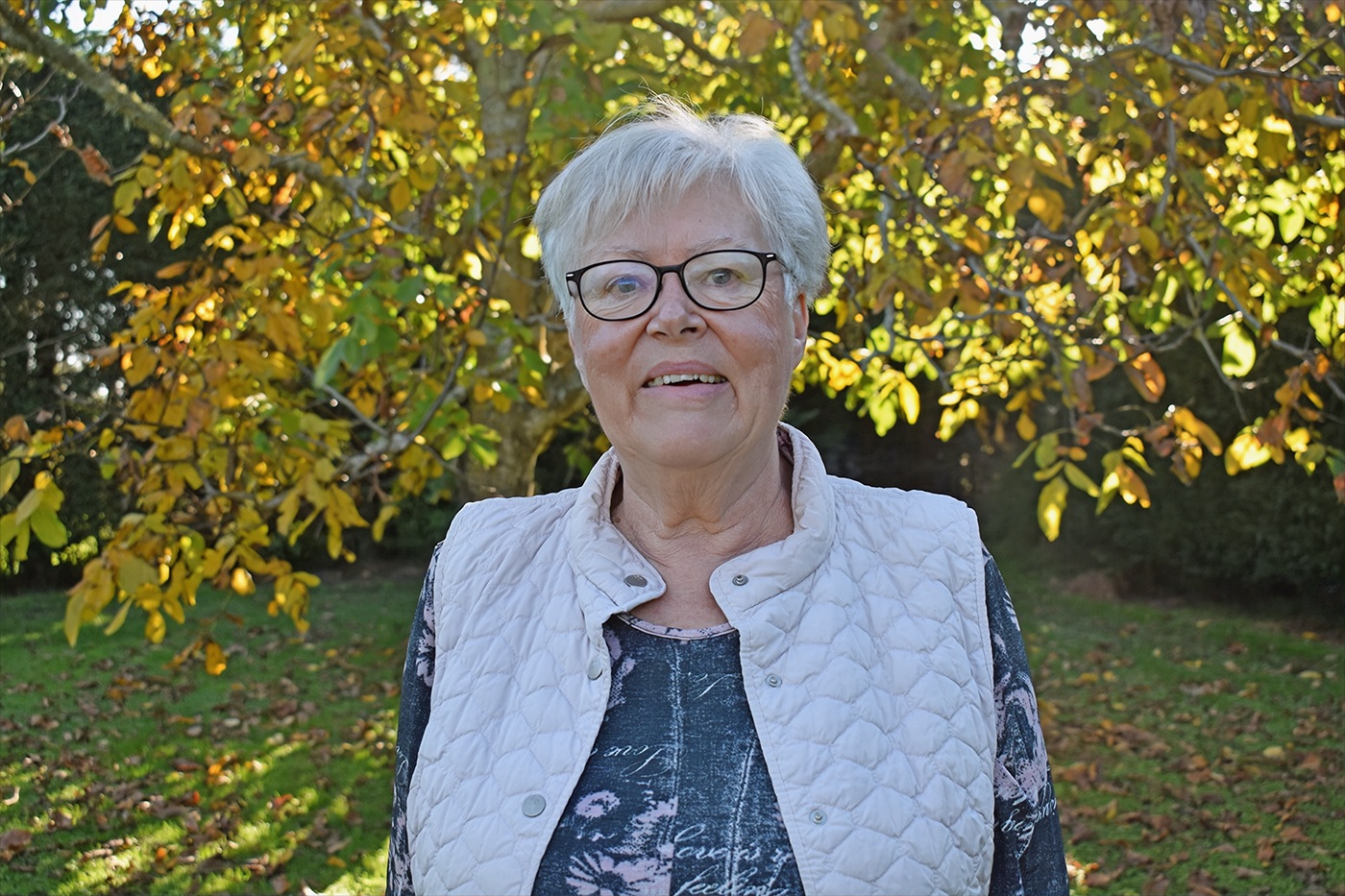
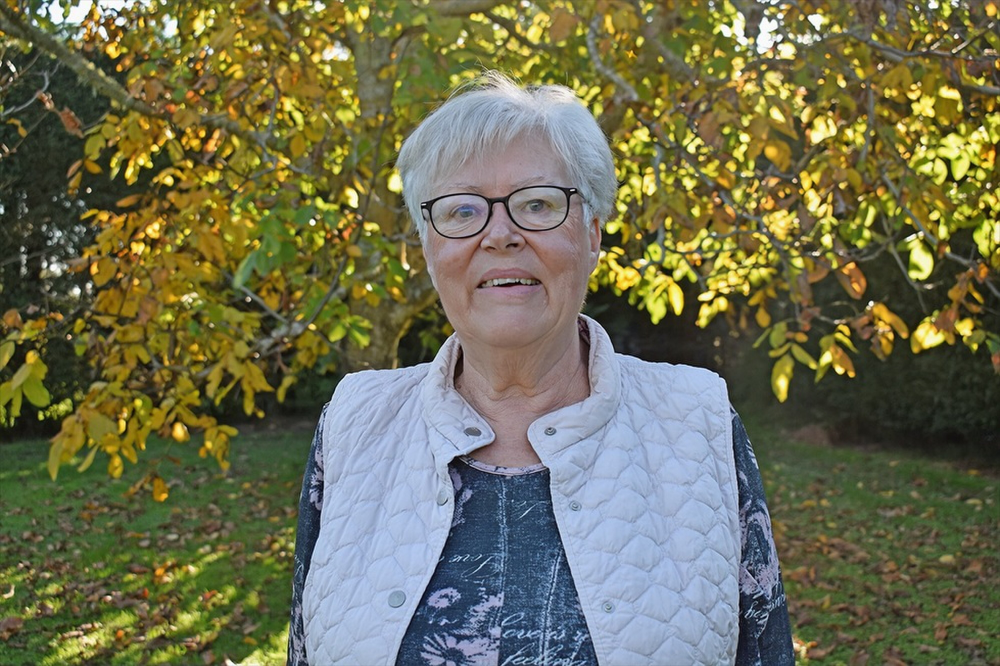
Alison McDonald at her Te Horo home. She has received an MNZM for services to translation and interpretation services. Photo Ōtaki Today
Although the award recognises translation and interpreting services, Alison says her work has been less about languages themselves and more about creating systems and professional standards.
“I’m hopeless at languages,” she says. “This was really about process and helping create a profession.”
Working as a contractor for the Ministry of Business, Innovation and Employment (MBIE) from 2015, Alison was asked to review reports into the quality of public sector interpreting services with a focus on standards. At the time, there were no nationally recognised standards for interpreters working in courts, hospitals or government agencies.
There was a small number of private sector interpreting agencies who provided interpreters to both private and public sector clients and some of these also provided in-house training. Interpreters were often found informally through community networks, with little assurance around qualifications or accuracy.
“There were some serious problems, particularly in legal and health settings,” she says.. “People with limited English proficiency were often relying on untrained interpreters in situations that could be life-changing.”
Her recommendation was that New Zealand adopt the internationally lauded Australian National Accreditation Authority for Translators and Interpreters certification model, rather than attempt to build a system from scratch.
That work eventually evolved into the Standards project, co-led with the Department of Internal Affairs. It was part of the MBIE’s Language Assistance Services Programme, a nationwide effort to identify, train and provide professional credentials for interpreters throughout New Zealand.
Alison returned between 2021 and 2024 to help implement the programme – during the height of Covid-19 disruptions.
The initiative exceeded expectations. Originally designed for about 1500 interpreters, more than 3200 people registered, covering more than 80 languages.
Many were refugees or migrants who had been informally helping their communities for years, but had never sat formal exams or undertaken tertiary study.
“The courage of these people was extraordinary,” she says. “Some were in their 50s and 60s and hadn’t studied for decades. Many had fled wars or spent years in refugee camps, and suddenly they were sitting very tough professional exams, sometimes failing and needing to put themselves through the process again.”
Universities – including the Auckland University of Technology and Victoria University of Wellington – adapted or developed flexible on-line and distance learning programmes and postgraduate qualifications to support trainees. The University of Canterbury established programmes that gave educational access to interpreters in the South Island for the first time.
“There was a real recognition that the South Island needed better language support services,” she says. This was highlighted through the 2019 mosque attacks and large numbers of international visitors and migrants.
The New Zealand Society for Translators and Interpreters was also heavily involved in supporting the efforts of the interpreters through training and networking.
Before her interpreting work, Alison built a long public service career focused on organisational change and community resilience. She worked at the State Services Commission during the sweeping government restructures of the mid 1980s, helping rural communities adapt to forestry sector reforms and job losses.
Originally born in Kenya to British parents, the newly married Alison moved to New Zealand in 1973 and later studied at Victoria University of Wellington before entering the public sector. Now fully retired after finishing her final contract in August 2024, she says the interpreting project was a fitting final chapter.
“I absolutely loved it,” she says. “It exposed me to communities and people I’d never worked with before, and the resilience and determination of those interpreters was incredible.”
OTHER STORIES
... loading ...