Otaki Today
A new Waikawa Beach signage project is aimed at making people aware that critically endangered Australasian bitterns are present in the area.
The Waikawa Beach Environment Group (WBEG) has erected distinctive signs around key wetland zones in a project that began with Horizons Regional Council. WBEG then picked up the work locally and with permission from Horowhenua District Council, erected signs on council land.
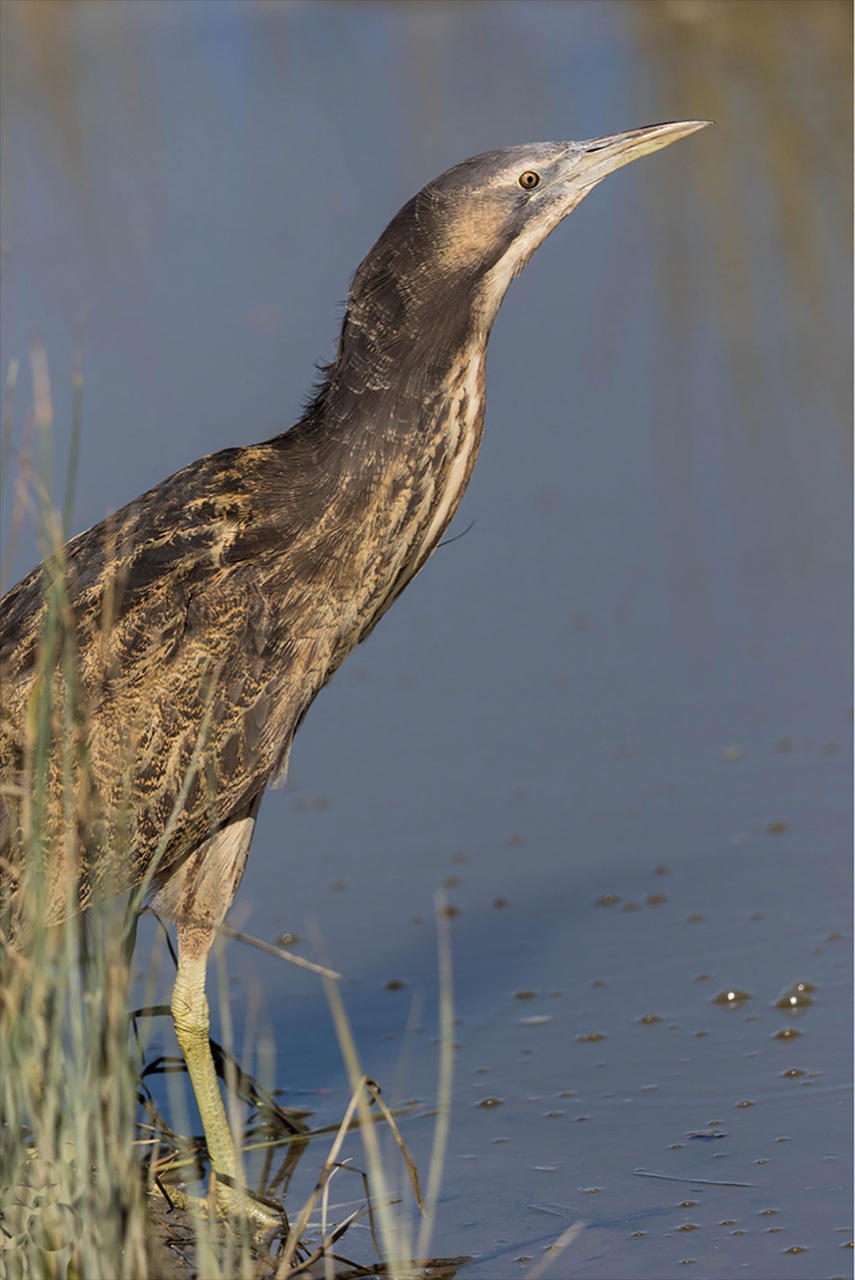 Group deputy chair Michele Walls says bitterns are extremely sensitive to disturbance.
“Everyday activities – including unleashed dogs, vehicles entering wetland margins, and people unknowingly walking through habitat – can have real impacts,” she says. “Bitterns are also not street smart, so people should take extra care when driving near wetland areas, especially at dusk and overnight when birds might be moving about.”
The Australasian bittern (matuku-hūrepo) is one of the country’s most elusive wetland birds, and one of the most threatened. Once common throughout New Zealand, bittern numbers have declined dramatically as wetlands have been drained, fragmented, or degraded.
Today, they are classified as nationally critical, meaning the species faces an extremely high risk of extinction in New Zealand. Estimates suggest only a few hundred birds remain nationwide, making every local sighting and every protected wetland area vitally important.
Despite this, bitterns are still present in and around Waikawa Beach.
They rely on quiet wetland areas with dense vegetation such as raupō, sedges, and long grasses, where they hunt for fish, frogs, insects, and small eels. More often, people hear them before they see them, especially during breeding season, when males make their distinctive low booming call at dusk and overnight. They have remarkable camouflage – often freezing in place with their beak pointed skyward to blend into surrounding reeds.
That imagery has been incorporated into the signs made and donated by local resident Will Abel as a personal passion project. They depict the three typical stances of a bittern, helping people recognise how easily these birds can blend into their surroundings.
Michele says the signs gently remind people that bitterns may be present, encourage respectful behaviour such as keeping dogs on leads and avoiding sensitive wetland areas.
She invites the community to report any bittern sightings.
“If you’re lucky enough to see or hear a bittern at Waikawa Beach, please email [see below right], ideally with a photo or location details, or record sightings through Inaturalist, which helps build a picture of where wildlife is present.”
Michele says bitterns don’t ask for much – just quiet spaces, healthy wetlands, and a bit of care from the people who share their environment.
“By being mindful of where we walk, how we manage our pets, and by reporting sightings when we’re lucky enough to spot one, we can all help ensure that matuku-hūrepo continue to have a home here at Waikawa Beach.”
The bittern signage forms part of wider community-led restoration work at Waikawa Beach, including pest plant removal, native planting, predator control, and ongoing advocacy to improve habitat for birds and other wildlife.
• For more on how the community is helping restore Waikawa’s natural environment, visit wbeg.net; for sightings, email huritini@xtra.co.nz or inaturalist.org
OTHER STORIES
... loading ...