
 Otaki Today
Rising fuel prices and growing global instability could become the “new normal” for New Zealanders, says Energise Ōtaki chair Leigh Ramsey.
He believes the country is entering a prolonged period of energy uncertainty that will hit households, businesses and communities alike.
Leigh is New Zealand’s leading expert on alternative fuels, the founder of Ōtaki-based Blended Fuel Solutions Ltd NZ and Nufuels, and a long-time advocate for renewable and locally produced fuels and energy. He says the current oil crisis is not simply a temporary spike caused by conflict in the Middle East.
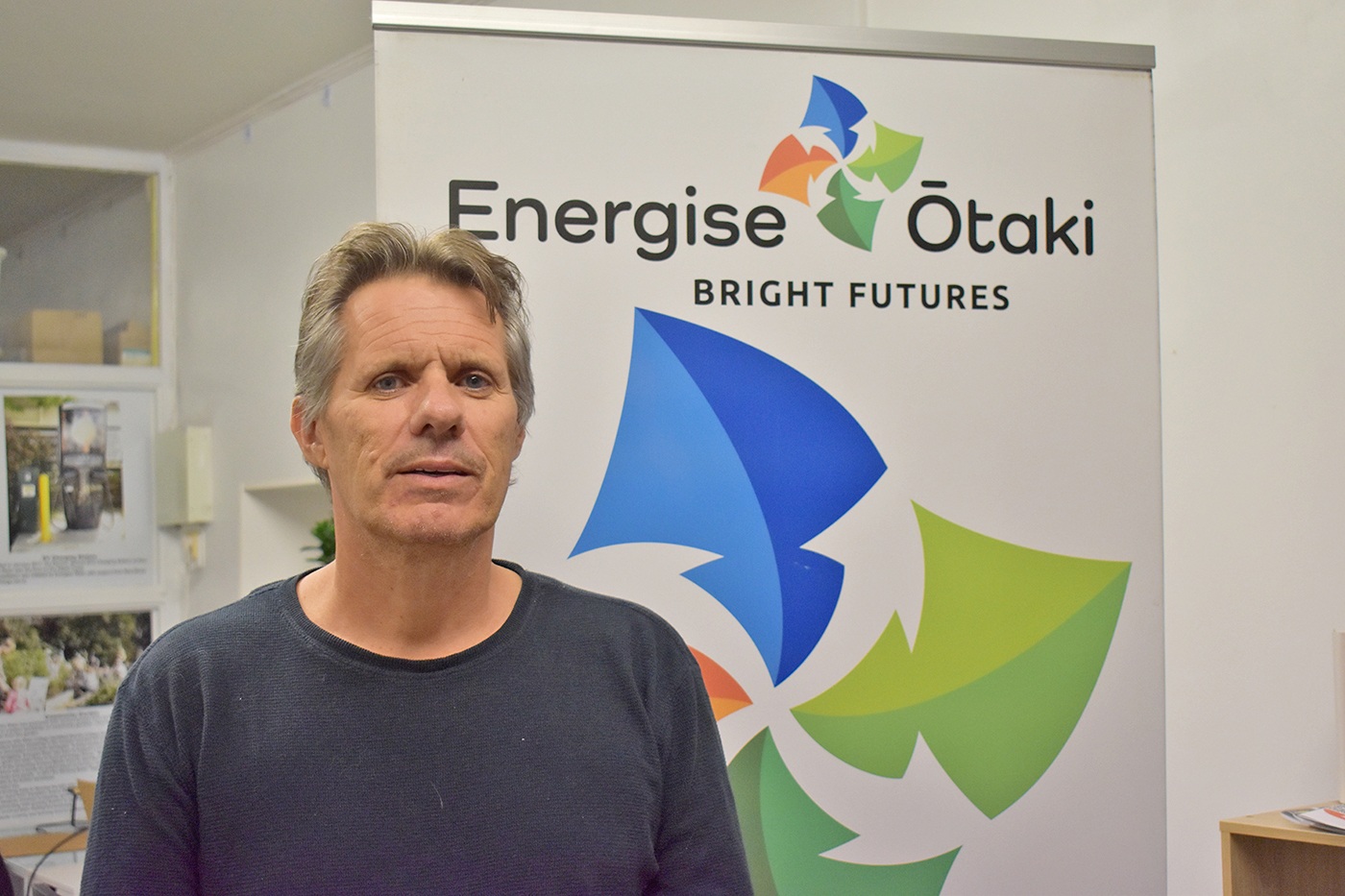
Leigh Ramsey, who sees uncertainty – but opportunities – for the future. Photo Ōtaki Today
“This is a structural shift,” he says. “People think fuel prices will come back down and we’ll get cheap petrol again, but there are too many global pressures now. Even if things settled tomorrow, the supply chains have fundamentally changed.”
Leigh points to two key reasons he believes high fuel costs are here to stay: escalating geopolitical conflict and the depletion of Strategic Petroleum Reserves held by major powers such as the United States and China.
He says he’s not being pessimistic – and there are opportunities ahead – but realistic, adding that this information is publicly available
“The only reason prices haven’t gone even higher already is because countries are releasing oil from their emergency reserves,” he says. “America has released more strategic reserves recently than at any other time in history, and China is doing the same.
“But those reserves are not endless. Once they get too low, and/or if the wars escalate further, prices could rise dramatically.”.
He says damaged refinery infrastructure, rising shipping insurance costs and global competition for supply are all adding pressure to the market.
For New Zealand, the consequences could be severe because of the country’s heavy reliance on imported fuel.
“We’re extremely vulnerable,” he says. “We’re isolated, we import most of our hydrocarbons, and we use a huge amount of diesel for agriculture and transport. Fuel is a strategic asset now, not just a commodity – and it has been for years.”
He warns that higher fuel prices will flow through into nearly every part of daily life, from groceries and freight to electricity and public transport.
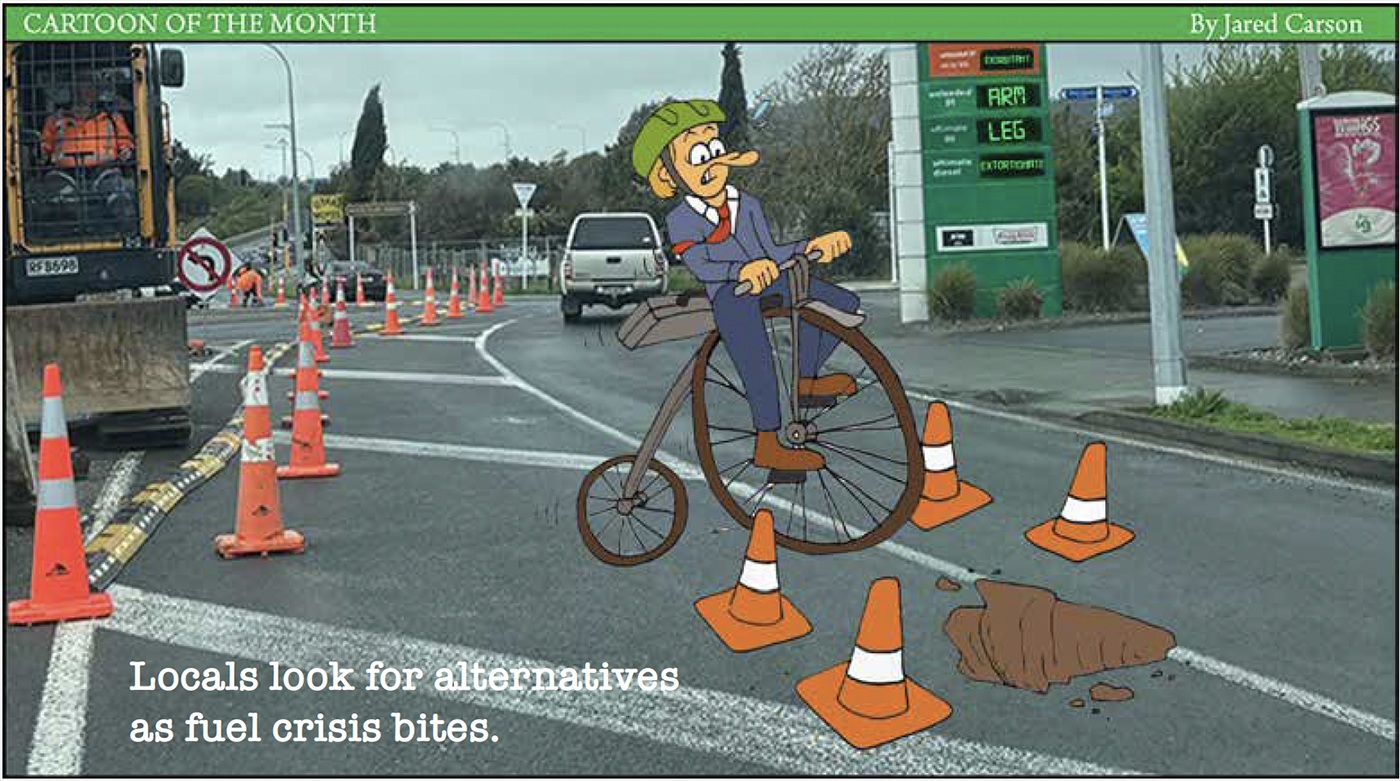
“For families, it means less disposable income. People will have to think harder about travel, combining trips, using public transport, carpooling, or riding bikes. The days of cheap and abundant energy are gone.”
Ōtaki residents are already feeling cost-of-living pressures, he says, and sustained fuel prices could make that worse for households already struggling.
Businesses with large transport or energy costs will also face difficult decisions.
“If your business relies heavily on fuel, eventually you either put your prices up, absorb the costs, or close down,” he says.
Despite the grim outlook, Leigh believes there are opportunities for communities like Ōtaki to become more resilient through renewable energy, local initiatives and reduced dependence on imported fuel.
That is where community group Energise Ōtaki is making a difference. Energise has supported projects including bike refurbishment, curtains for homes, electric vehicle charging infrastructure, solar initiatives and community sustainability projects aimed at reducing energy use and transport costs, plus advocating for better public transport.
“We’re trying to help people adapt,” Leigh says. “Everything from repairing bikes to rooftop solar is part of the solution. It’s about resilience and using less imported expensive energy.”
Energise Ōtaki has refurbished and distributed hundreds of donated bicycles to local families and schools, while also advocating for renewable energy and local solutions to reduce fuel dependence.
Leigh says that as biofuels become more competitive with diesel to produce, they could also become increasingly important – especially for heavy transport and industry where battery technology remains limited.
“New Zealand actually has the potential to be far more energy independent than most countries,” he says. “We’ve got forestry, agriculture, renewable electricity and the ability to produce biofuels locally. Every litre we produce here creates jobs, improves fuel security and reduces our trade deficit.”
However, he says meaningful change will require long-term planning and political cooperation.
“We need governments to think beyond three-year election cycles. The reality is energy is becoming more expensive, and we must prepare for that rather than pretending things will just go back to normal.”
OTHER STORIES
... loading ...