
 Otaki Today
Ōtaki’s RSA is entering 2026 under new management, with fresh leadership promising change, transparency, and a renewed focus on community connection after the club narrowly avoided financial collapse.
With more than 840 members and in its 107th year, the RSA remains one of Ōtaki’s longest-standing community institutions. But behind the scenes, it has faced significant challenges that have threatened its survival.
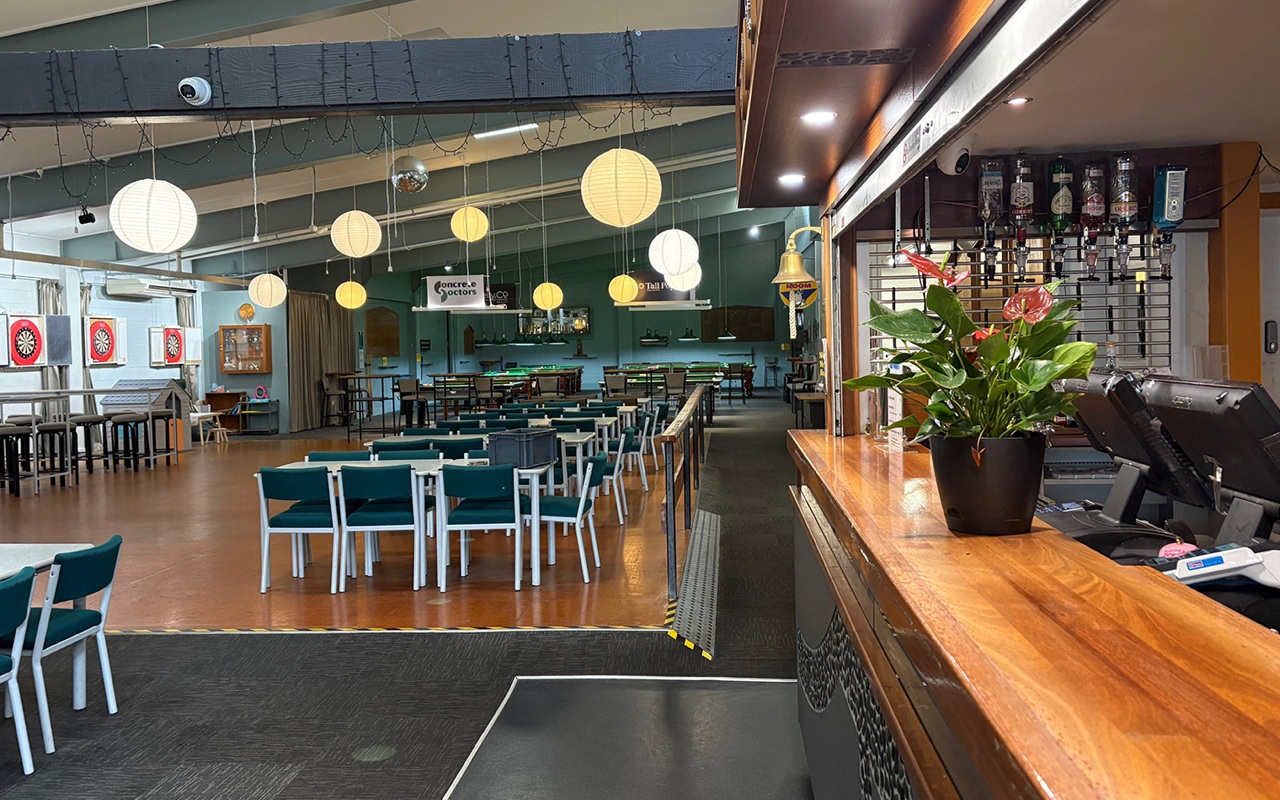
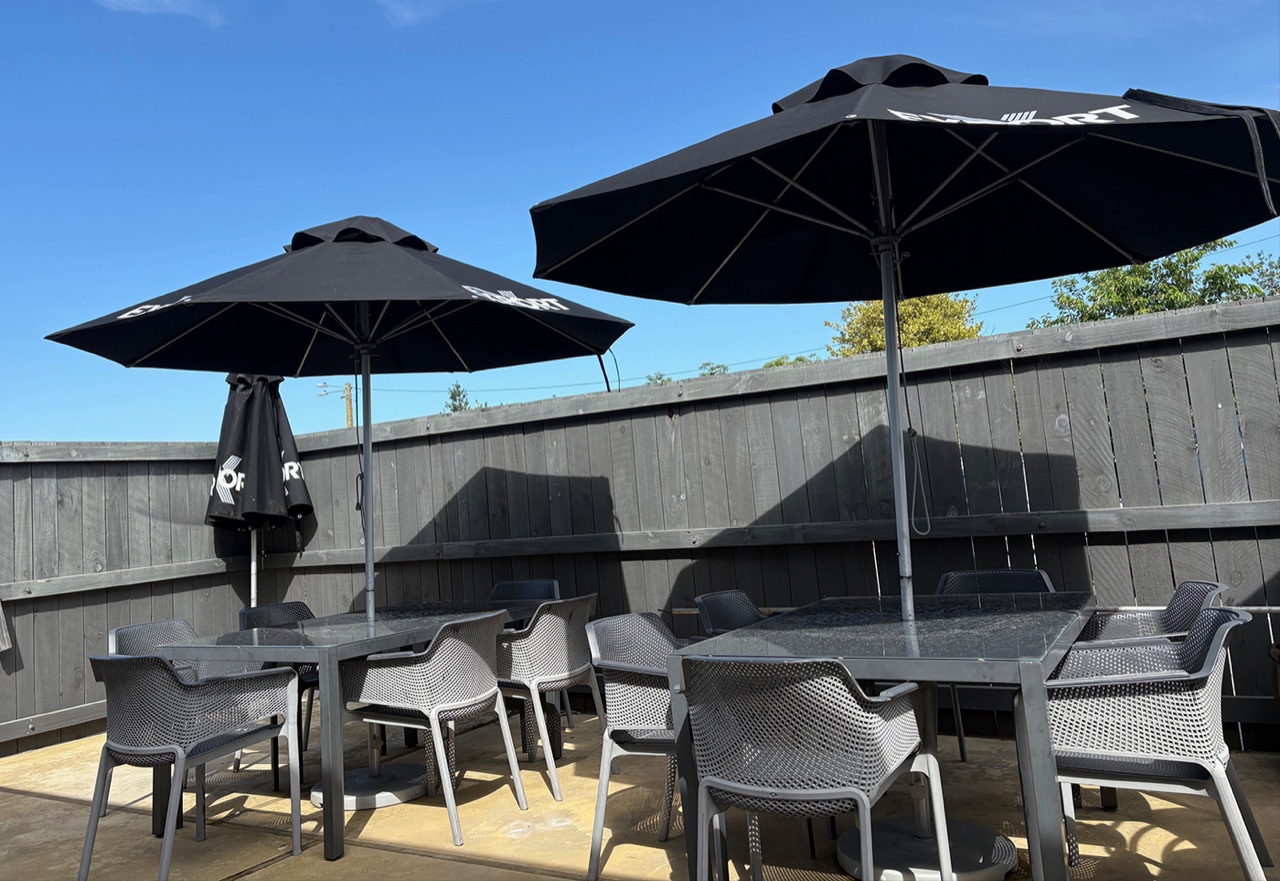
Indoors at the Ōtaki RSA, the outdoor space, plenty of pool tables, and even a new play area for the kids. Photos Ōtaki Today
At its AGM last year, the club was revealed to be in financial difficulty, despite owning a freehold building valued at about $1.3 million. At the time, the RSA was carrying a significant amount of aged payables and lacked sufficient cash to meet its obligations. A big loss in the year to March 2025 followed a notable loss the previous year, signaling a deteriorating financial position.
But that’s turning around. The RSA is now operating profitably, debt is being repaid, and it’s hoped the 2026 financial report will be positive.
The turnaround is largely due to the involvement of business recovery specialist Te Hau, who joined the board last year and identified several issues that needed to be addressed urgently. She embarked on a business assessment and uncovered extensive operational inefficiencies, including overstaffing, poor stock management and a need for tighter financial tracking.
After this discovery phase was complete, she stepped aside from the board but continued to volunteer, working closely with staff and management and taking a hands-on approach to understand day-to-day operation improvements.
“The club’s finances began to turn around quite quickly once improved practices were put in place,” says Te Hau, who was recently appointed in a new role as general manager. “It’s about listening to the members and community needs, rebuilding trust and making a plan to ensure recovery.”
Operational changes have been introduced, alongside tighter financial controls and better communication. Members have taken over from the cleaning contractor, working voluntarily for an hour a week. A switch to online music has saved several hundred more dollars every month.
At the same time, the RSA has signaled a shift in direction – from simply surviving to becoming a more inclusive and vibrant community hub.
“We’re actively encouraging more locals to join and make use of its facilities,” Te Hau says. “Families are welcome, and we’ve even got a new children’s area. If you want parents here, there has to be somewhere for the kids.”
The RSA also boasts a popular outdoor area, where members can relax under umbrellas, park e-bikes and enjoy a drink while catching up with friends. Regular activities include snooker, eight-ball pool, darts, housie, indoor bowls and the Amicus social group, which organises outings and hosts guest speakers. Attracting more groups to the RSA for their meetings and functions is part of the new strategy.
“We can even do full funeral services,” Te Hau says. “We’ll work with funeral directors to organise the service, do the catering – the whole thing. We’ve got the space and the facilities.”
More activities are planned for 2026, including weekend ukulele lessons, weeknight bingo, art and dance classes, and the introduction of card groups for 500 and euchre. Anyone interested in joining these groups is encouraged to contact Te Hau.
Live music will be a weekly fixture every Friday night, showcasing a range of genres and local musicians. Monthly Saturday events are also planned, including bands, tribute acts, dance performances, a professional casino night and a black-tie fundraising ball.
While the Abel So caterers at the RSA restaurant have gone, a new operator is being sought. Te Hau says that could be a fully contracted operation, but a qualified chef hired by the RSA would be considered.
Te Hau has a corporate background, but also understands hospitality – her father was a hotelier in Wainuiomata when she was growing up. She chose to settle in Ōtaki a few years ago because of its strong Māori identity and values of manaakitanga. She believes inclusivity is essential to restoring trust and relevance at the RSA.
“RSAs have always played a vital role in small towns,” she says. “If we want younger generations and a broader cross-section of the community to engage, we need to reflect what Ōtaki is today.”
Membership fees, which have not increased in more than eight years, will rise slightly in 2026. Annual fees will be $50 for members aged 65 and over, $55 for those under 65, $45 for returned service members, and free for currently serving defence force personnel and members aged over 90.
Te Hau says that despite the challenges, the mood at the Ōtaki RSA is optimistic.
“We’re evolving. This is about honouring our past while building a sustainable future. We want people to feel welcome, connected and proud to be part of this place again.”
• For membership, bookings, or information about how to be involved in RSA activities, contact Te Hau on 021 934 537. Also keep up on Facebook under Ōtaki RSA.
OTHER STORIES
... loading ...